

Material Choice Is a 50-Year Decision in New England
Walk through Woodbury village or Ridgefield's historic districts and slate roofs define the skyline. Drive through Bethel or Monroe subdivisions and architectural shingles dominate. Neither choice is wrong—but each carries different weight limits, repair skill requirements, and lifecycle costs that Connecticut winters amplify.
Freeze-thaw cycles, ice dams, and coastal wind-driven rain punish flashings and underlayment on both systems. Slate can last a century when maintained; shingles offer faster install and lower upfront cost on typical suburban ranches. This comparison helps you weigh structure, town aesthetic rules, budget, and how long you plan to hold the property—before you sign a scope that locks you in for decades.
Quick Answer
Neither is universally better—slate suits historic and premium homes with structure to support it; shingles cost less upfront and are easier to maintain on typical suburban ranches and colonials.
Slate Roof Pros & Cons
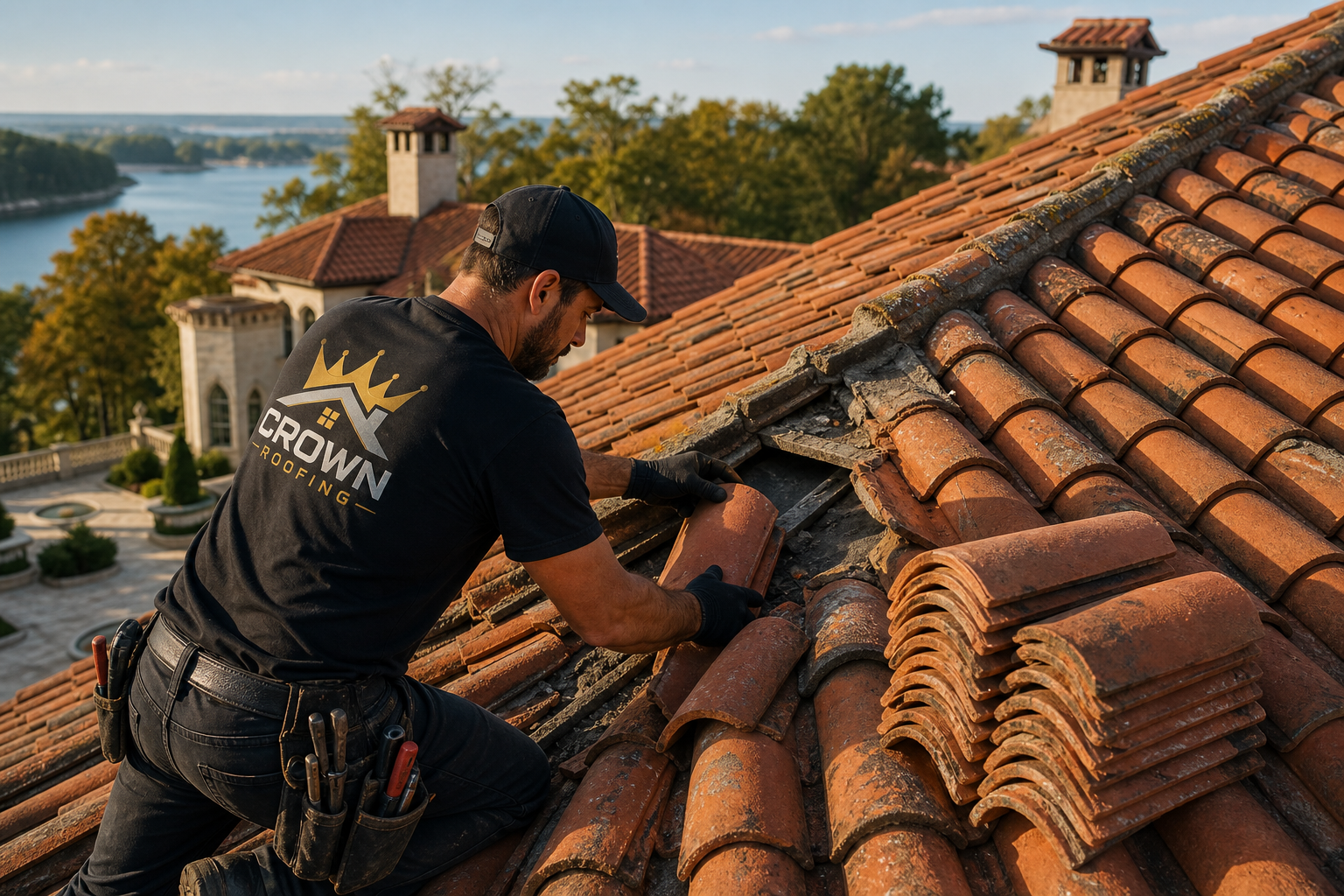
Natural slate can last 75–100 years with proper fasteners and flashings. It is heavy; older farmhouses in Woodbury and New Milford may need structural review before re-slate. Repair requires matching thickness and hook or nail style—not a generic shingle crew skillset.
Shingle Pros & Cons
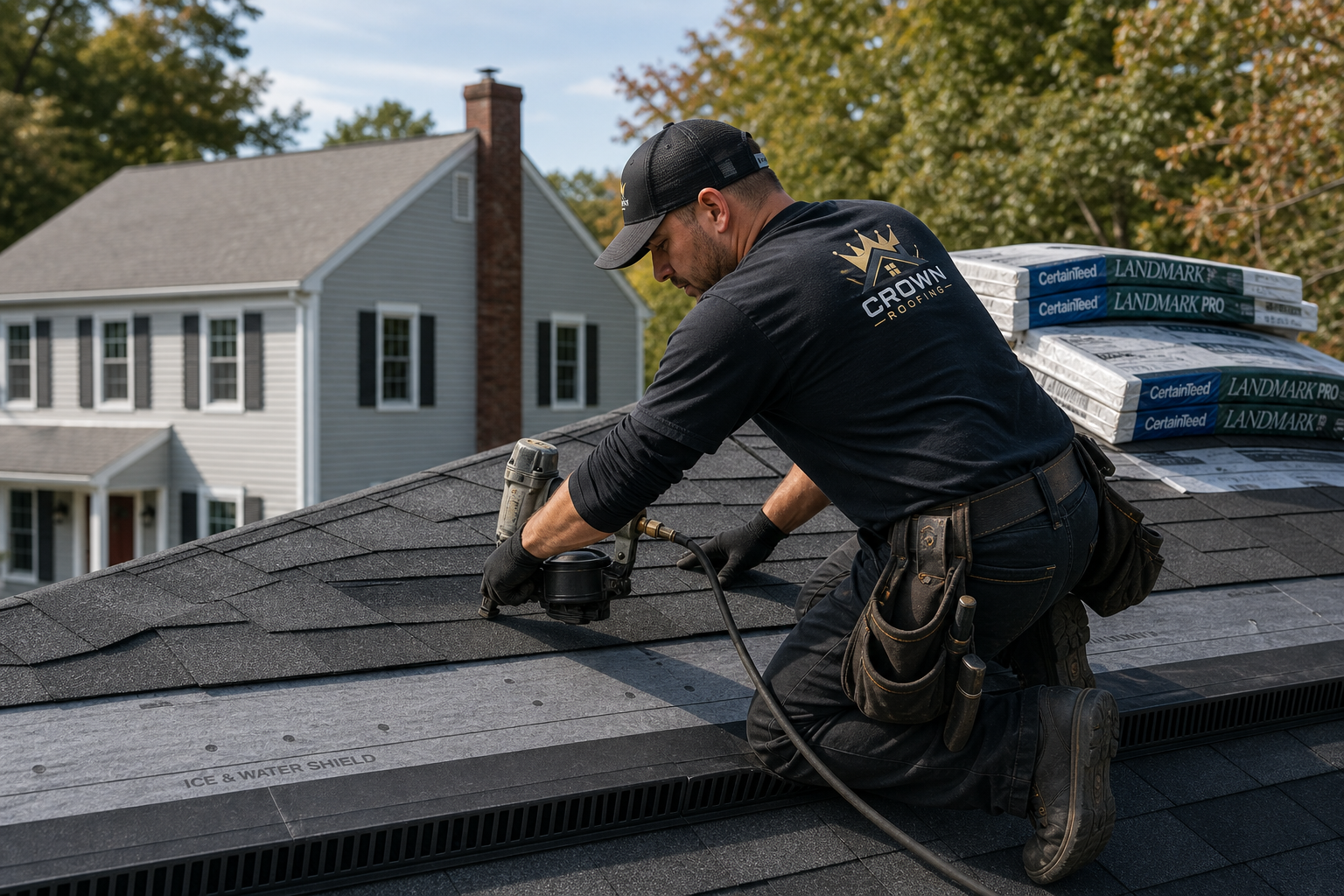
Architectural shingles dominate Bethel and Monroe subdivisions. Lower initial cost; faster install; easier spot repair after ice damage. Freeze-thaw and north eaves shorten life when ventilation is poor.
Winter Performance
Both systems fail at flashings and valleys first. Slate sheds ice well when pitched correctly; shingles depend on ice barrier at eaves and proper nail placement. Wind-driven rain along Long Island Sound tests headwall details on coastal Fairfield County homes.
How to Choose
Match structure load, town aesthetic rules, and budget. Shingle roofing · roof replacement · Ridgefield roofing for architectural review contexts.
Historic Districts and Slate
Ridgefield, Woodbury, and parts of Southbury expect roof profiles that match village character. Synthetic slate may be allowed where natural slate budget is prohibitive—check architectural review before ordering materials.
Slate Repair Reality
Matching slate thickness and color on a partial repair is skilled work. Hook slate and nail slate behave differently in wind. A shingle-focused crew without slate experience often causes more breakage walking the field. Budget for a specialist when less than thirty percent of the field needs replacement.
Weight and Structure
Natural slate adds significant load. Older farmhouses in New Milford may need engineering review before re-slate—or may qualify for lighter shingle after structural analysis. Do not assume "it held slate before" without checking rafter size, spacing, and prior modifications.
Resale and Curb Appeal
Slate signals premium construction to buyers who understand lifecycle cost. Quality architectural shingles with clean flashing detail satisfy most suburban buyers in Bethel and Monroe at lower upfront cost. Match the neighborhood and your hold period—not just this year's budget line.
Maintenance Schedules
Slate needs periodic flashing maintenance at chimneys and valleys; shingles need boot replacement and granule monitoring after year fifteen. Both fail first at details, not random field areas. Maintenance plans extend either system when inspections happen before small cracks become deck rot.
Architectural Review and Village Character
Town of Ridgefield, CT, Town of Woodbury, CT, and Town of Southbury, CT maintain village aesthetics where roof material and profile matter at the curb. Check planning or historic district guidelines before switching from slate to shingle or vice versa—approval timelines affect seasonal install windows.
Structural Engineering Notes
Slate removal can reduce load enough to avoid rafter reinforcement when switching to shingle; adding slate where only shingle existed may require engineering review. Document structural decisions for resale—buyers in premium towns ask.
Underlayment Matters on Both Systems
Slate relies on long-life underlayment between stone and deck; failed felt under intact slate still causes deck rot. Shingle systems need ice-and-water at eaves and synthetic underlayment on entire deck in premium installs. Skimping on underlayment to save bid line items hurts both materials within a decade in Connecticut freeze-thaw.
Color and Neighborhood Fit
Town of Ridgefield, CT and Town of Bethel, CT HOAs may restrict color profiles; verify before ordering. Slate greys and earth-tone architectural shingles dominate New England streetscapes for resale consistency.
Installer Skill Matters More Than Brand
Slate and premium shingle systems fail at details—valleys, chimneys, sidewalls—not because the product was wrong but because the crew rushed counter-flashing. Ask who supervises your job site and whether that person has done your material type in Connecticut winters before.
Material-Specific Services
Historic and Suburban Towns
- Woodbury · Ridgefield · New Milford
- Bethel · Monroe · Southbury
Town Planning & Historic Context
- Town of Ridgefield, CT, Town of Bethel, CT, Town of New Milford, CT, Town of Monroe, CT
- Connecticut Official State Website
- Litchfield County, Connecticut — Wikipedia overview
Choose for the Long Hold
Material decisions ripple through insurance, resale, and maintenance budgets for decades. Slate rewards owners who maintain flashings and accept skilled repair costs; shingles reward those who want predictable replacement cycles and faster installs on typical suburban pitches. Neither choice fixes ventilation or ice dam physics—budget for attic balance and eave details regardless of surface material.
Schedule inspection before ordering; we photograph deck condition and discuss town requirements so your investment matches Connecticut weather and neighborhood expectations.
Review Town of Woodbury, CT and Town of New Milford, CT planning pages when historic character applies—approval lead times affect spring install windows. Compare total lifecycle cost, not just tear-off price, when deciding between slate and architectural shingle on the same pitch.
FAQ
Often yes with engineering review for load reduction and town approval in historic districts.
Yes on install and skilled repair, but lifecycle cost can favor slate on long-hold historic homes.
Quality architectural shingles with ice barrier and ventilation perform well on most suburban homes when installed correctly.
Real Connecticut Examples
A Woodbury antique on the town green needed slate hook repair on twelve percent of the field; the rest had decades left. A Bethel ranch built in 1988 crossed the brittle-shingle threshold on the whole south slope—replacement with ice barrier made more sense than piecemeal tabs.
Need help with your roof in Connecticut? Contact Crown Roofing & Exteriors for a free inspection or call (475) 454-8679. We serve Danbury, Fairfield & Litchfield Counties, and 30+ cities statewide—with written scopes and photo documentation on every job.
Browse our Roofing Insights hub and Roofing Solutions catalog for more Connecticut winter guides, emergency services, and city-specific roofing pages.