

Quick Answer
In Connecticut, roof valleys collect more water than any other part of your roof. After late summer downpours or a nor’easter, any weakness in valley flashing or shingle alignment becomes a prime leak risk. If you see ceiling stains, peeling paint, or drips near interior walls—especially after a heavy rain—don’t ignore it. Prompt roof repair prevents rot and expensive structural issues. Valley leaks require professional assessment and usually more than a quick shingle patch.
Why Roof Valleys Are Connecticut’s Leak Hotspots
Roof valleys are where two roof slopes meet, channeling rain and snowmelt off your home. Because valleys concentrate runoff, they’re often the first area to show signs of water intrusion. Poor installation, clogged gutters, damaged flashing, and even improper shingle lapping all set the stage for leaks. Connecticut’s steep, complex roofs in towns like Danbury and New Milford are especially vulnerable.
How Seasonal Weather Makes Valley Leaks Worse
Freeze-thaw cycles split shingles and widen existing cracks. In autumn and spring, debris collects in valleys and blocks water flow, while heavy rains from nor’easters push water under loose flashing. In winter, ice dams trap water in valleys—leading to hidden rot and mold. Connecticut’s weather stresses even the best roofing details, so regular inspections are a must, especially after storms or rapid snowmelt.
The Role of Valley Flashing—and What Can Go Wrong
Valley flashing—usually aluminum or copper—provides a waterproof channel beneath shingles. Over time, flashing can corrode, crack, or pull away from the decking due to thermal movement and age. Connecticut’s humid summers and icy winters accelerate metal fatigue. DIY repairs with roofing cement rarely last; only proper replacement restores protection. Our roof repair team sees flashing failure as the #1 cause of valley leaks.
Spotting Roof Valley Trouble Early
- Look for granule loss or missing shingles along valley lines.
- Examine attic decking below valleys for dark stains after rain.
- Check for rusted or exposed valley flashing from ground level.
- Review ceilings and corners in rooms beneath valleys for new water spots.
- After a nor’easter, inspect for debris damming up water flow.
If you spot any of these, schedule a professional inspection in Ridgefield or your home area.
Repairing Valley Leaks: What Connecticut Homeowners Can Expect
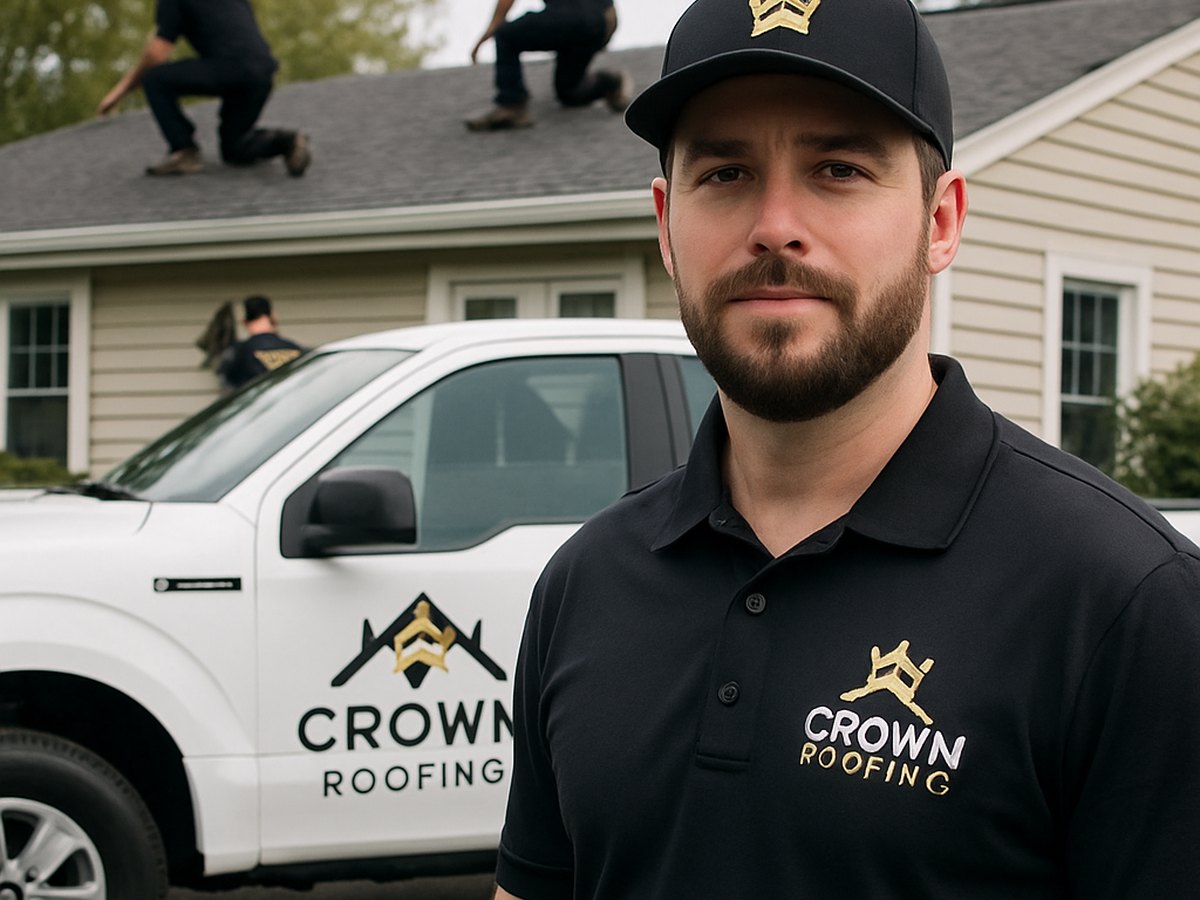
Proper valley repair includes removing failed shingles, replacing the valley flashing, and reinstalling new underlayment and shingles—often several courses wide. In severe cases, rotten decking may need replacement. Crown Roofing & Exteriors sends branded crews and never cuts corners on critical flashing details. We provide honest guidance on repair versus full roof replacement, especially for older roofs in towns like Brookfield.
Preventing Future Valley Leaks
- Schedule annual roof inspections, especially after heavy storms.
- Keep gutters and valleys clear of debris in fall and spring.
- Ensure attic ventilation is adequate—this reduces ice dam risk in valleys.
- Consider upgrading to metal or woven shingle valleys for extra protection.
- Address minor leaks promptly to prevent rot and mold.
Visit our roof repair page or call (475) 454-8679 to learn more.
Why Local Experience Matters for Connecticut Valley Repairs
From Bridgeport’s coastal storms to Bethel’s snow loads, Connecticut roofs face unique valley stressors. Crown Roofing & Exteriors understands local codes, typical architectural styles, and the seasonal challenges of Fairfield and Litchfield counties. Our licensed crews are equipped for both emergencies and scheduled repairs—always with transparent reporting and detailed photo documentation for insurance claims.
Connecticut Roofing Context
Freeze-thaw cycles, nor'easters, and heavy snow loads affect Fairfield and Litchfield County roofs differently than mild-climate guides suggest. Local building departments—from City of Danbury, CT to coastal towns—may require permits for full replacement; ice barrier and ventilation details should appear on your written scope before work starts.
Document roof condition with dated photos before and after storms. Clear records help with insurance, resale, and honest repair-versus-replace decisions—not scare tactics or automatic full tear-off quotes.
Related Crown Roofing & Exteriors Services
Connecticut Service Areas
- City of Danbury, CT, Town of Ridgefield, CT, Town of Bethel, CT, Town of Brookfield, CT, Town of Fairfield, CT, Town of Newtown, CT
- Roofing contractor Danbury CT
- All Connecticut cities we serve
Connecticut & Authoritative Resources
- Connecticut Official State Website
- Connecticut Department of Consumer Protection — contractor licensing
- U.S. DOE — attic ventilation and insulation basics
- Fairfield County, Connecticut — Wikipedia overview and Litchfield County, Connecticut — Wikipedia overview — regional context
Before You Hire
Verify Connecticut Department of Consumer Protection — contractor licensing registration, insurance certificates, and written scope before deposits. Crown Roofing & Exteriors serves Danbury and 30+ Connecticut communities with photo-documented inspections and repair-first guidance when it makes sense.
FAQ
Look for water stains near interior walls, bubbling paint, or dampness in attic insulation below the valley, especially after rain. If you suspect a problem, schedule a professional inspection promptly.
Temporary patching can slow a leak, but valley repairs require proper flashing and shingle integration. DIY work may void your roof warranty. Always consult a licensed Connecticut roofer for safe, lasting repairs.
Metal valleys (open style) offer superior water channeling and last longer in Connecticut’s harsh weather. Cut or closed valleys are more aesthetic, but may require extra maintenance.
At minimum, valleys should be checked each spring and fall, and after any major storm. Older roofs or homes with heavy tree cover may need more frequent inspections.
Insurance may cover sudden damage from storms, but not leaks caused by neglect or wear. Documenting damage and maintenance helps with claims—Crown Roofing & Exteriors provides full photo reports.
Need help with your roof in Connecticut? Contact Crown Roofing & Exteriors for a free inspection or call (475) 454-8679. We serve Danbury, Fairfield & Litchfield Counties, and 30+ cities statewide—with written scopes and photo documentation on every job.
Browse our Roofing Insights hub and Roofing Solutions catalog for more Connecticut winter guides, emergency services, and city-specific roofing pages.