


Quick Answer
Hailstorms in Connecticut often leave behind more roof damage than most homeowners realize. Even dime-sized hail can bruise asphalt shingles, dent metal flashing, or crack slate and tile—all without causing obvious, immediate leaks. Professional inspections by a licensed Connecticut roofing contractor like Crown Roofing & Exteriors are essential after a storm, especially if you live in hail-prone spots like New Milford or Danbury. Catching these issues early can prevent expensive repairs down the road.
What Does Hailstorm Roof Damage Look Like?
- Random, dark spots or bruises on shingles
- Cracked or split cedar shakes
- Dented metal vent covers, flashing, or gutters
- Granule loss exposing black shingle substrate
- Broken edges or punctures in tile or slate roofs
Often, these signs are subtle and visible only up close—especially on older roofs or darker materials. That’s why post-storm inspections are a must, even when you don’t see missing shingles on the lawn.
Why Hail Damage Often Goes Unnoticed in Connecticut
Unlike tornado-prone regions, many Connecticut hail events happen during quick summer thunderstorms and may not produce visible damage right away. Shingle bruising, for instance, can slowly develop into water entry points as freeze-thaw cycles and ice dams work those weak spots over winter. Minor cracks in flashing and tile might not leak now, but as water finds its way in—especially after a nor’easter or February snowmelt—small issues escalate fast.
Connecticut Weather: Why Delayed Roof Leaks Are Common
Hail damage in July can set the stage for major trouble by winter. Here’s how:
- Summer hail bruises shingle matting, weakening water resistance
- Fall freeze-thaw cycles open cracks and widen shingle granule loss
- Ice dams form at damaged eaves, forcing water underneath compromised areas
- Heavy snow loads and nor’easter winds stress already-weakened materials
By the time symptoms become obvious—stains on ceilings, shingle blow-offs, or attic leaks—the original hail impact is long forgotten. Fairfield and Ridgefield homeowners are especially vulnerable due to tree coverage and repeated storm patterns.
Why Insurance Documentation Matters After a Hailstorm
Connecticut insurers require clear evidence of storm-related roof damage for claims. A professional inspection—including photos of hail impacts, shingle bruising, and compromised flashing—can make or break your case. At Crown Roofing & Exteriors, our branded crews know exactly what adjusters look for, and we’ll compile thorough documentation to support your claim and prevent denied repairs.
What To Do If You Suspect Hail Damage
- Look for soft metal dents on vents and gutters from the ground
- Check patios and decks for splintered wood or granule buildup
- Schedule a professional roof inspection, especially for older or high-value roofs
- Contact Crown Roofing & Exteriors for honest repair vs. replacement advice
- Don’t wait for leaks—new damage is easier (and cheaper) to address now
How Crown Roofing & Exteriors Handles Hailstorm Repairs
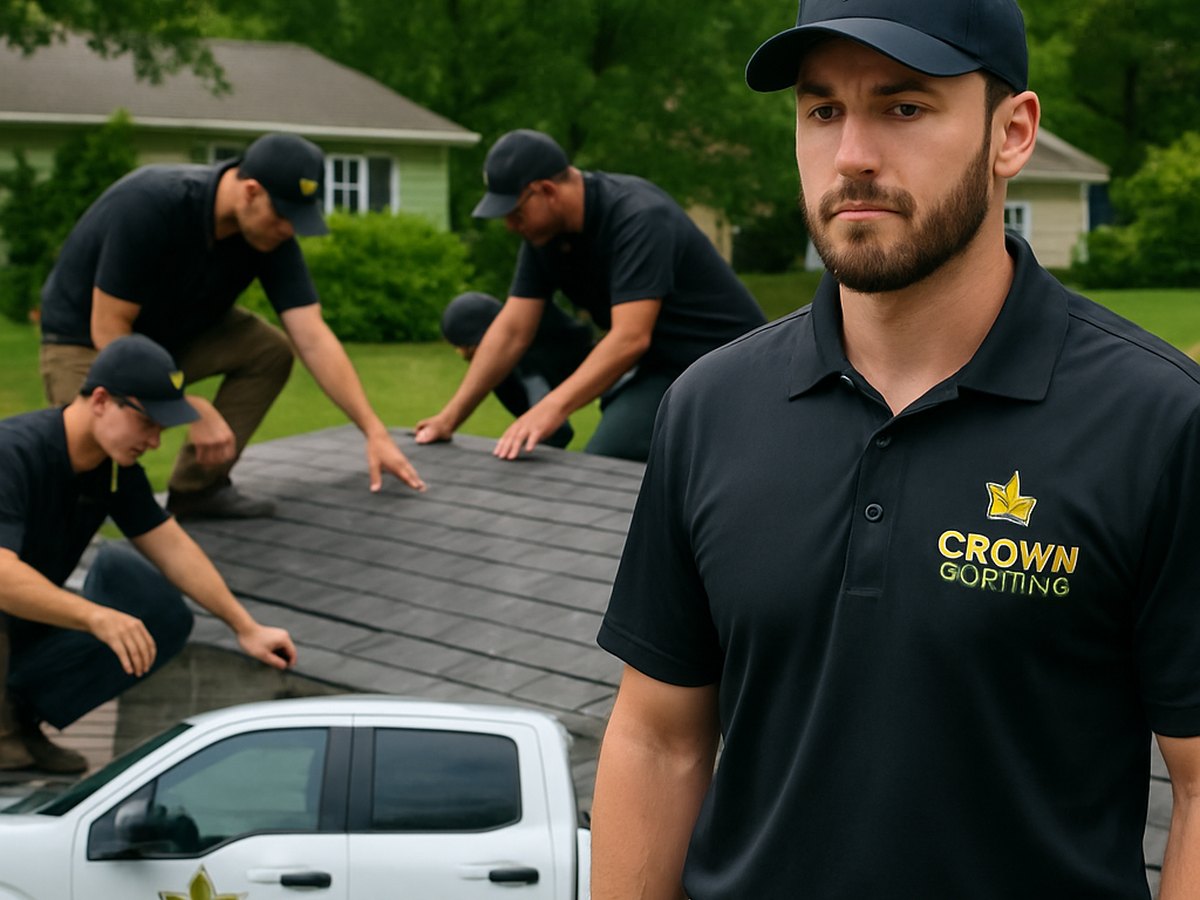
From Danbury to Stamford, our technicians arrive in clearly branded trucks and uniforms, equipped for both low slope and pitched roof inspections. Our process includes:
- Documenting every sign of hail damage with date-stamped photos
- Assessing attic ventilation and insulation, both crucial for long-term durability
- Providing a detailed, transparent estimate—repair or replacement
- Assisting with insurance paperwork and advocating on your behalf
We never upsell unneeded work. Our goal is to get your roof fully watertight before Connecticut’s next big storm rolls through.
Should You Repair or Replace After Hail Damage?
Factors include the extent of bruising/cracking, the age of your roof, and your town’s weather exposure. Partial repairs work well if limited to a small area and if your shingles aren’t near the end of their lifespan. If your roof is older or hail has compromised a wide swath, replacement may be the most reliable option. Not sure? Schedule a roof inspection and get honest advice from our experienced crew.
Connecticut Roofing Context
Freeze-thaw cycles, nor'easters, and heavy snow loads affect Fairfield and Litchfield County roofs differently than mild-climate guides suggest. Local building departments—from City of Danbury, CT to coastal towns—may require permits for full replacement; ice barrier and ventilation details should appear on your written scope before work starts.
Document roof condition with dated photos before and after storms. Clear records help with insurance, resale, and honest repair-versus-replace decisions—not scare tactics or automatic full tear-off quotes.
Related Crown Roofing & Exteriors Services
Connecticut Service Areas
- Town of Fairfield, CT, City of Norwalk, CT, City of Stamford, CT, City of Bridgeport, CT, City of Danbury, CT, Town of Ridgefield, CT
- Roofing contractor Danbury CT
- All Connecticut cities we serve
Connecticut & Authoritative Resources
- NOAA — Northeast winter storm resources
- FEMA — Connecticut disaster information
- CT DEEP — storm preparedness
- Connecticut Official State Website
- Fairfield County, Connecticut — Wikipedia overview and Litchfield County, Connecticut — Wikipedia overview — regional context
Before You Hire
Verify Connecticut Department of Consumer Protection — contractor licensing registration, insurance certificates, and written scope before deposits. Crown Roofing & Exteriors serves Danbury and 30+ Connecticut communities with photo-documented inspections and repair-first guidance when it makes sense.
FAQ
Yes. Even hail as small as a dime can bruise shingles or dent flashing, especially if driven by wind. These small marks can let water in over time, especially with Connecticut’s repeated freeze-thaw cycles.
If inspection reveals functional roof damage (not just cosmetic), filing a claim is generally worthwhile. Always get a professional inspection and documentation before contacting your insurer.
Within a few days is best, while evidence is fresh and before weather or debris obscures damage. Crown Roofing & Exteriors often books up quickly after major storms—call as soon as possible.
Places like Danbury, New Milford, Stamford, and Ridgefield often report frequent hail-related roof issues due to their inland location and exposure to line storms.
No. Most leaks develop slowly as weather exploits weak points. That’s why many Connecticut homeowners notice water stains or ceiling leaks months after the storm—it pays to catch issues early.
Need help with your roof in Connecticut? Contact Crown Roofing & Exteriors for a free inspection or call (475) 454-8679. We serve Danbury, Fairfield & Litchfield Counties, and 30+ cities statewide—with written scopes and photo documentation on every job.
Browse our Roofing Insights hub and Roofing Solutions catalog for more Connecticut winter guides, emergency services, and city-specific roofing pages.